
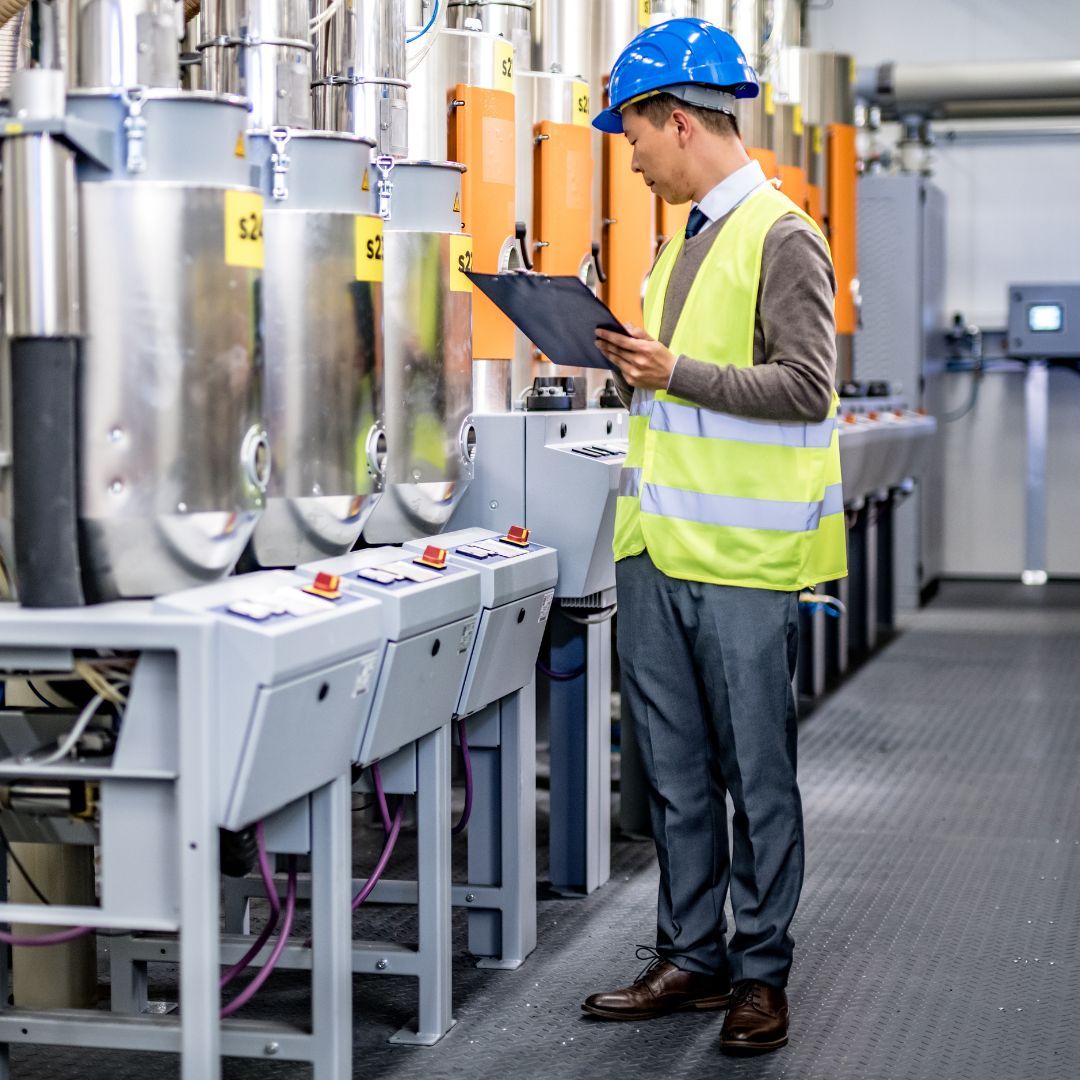
Clear and Comprehensive: Your Guide to Biopharma Manufacturing
Enter the intriguing world of biopharma manufacturing where cutting-edge technologies and precision techniques collide to produce lifesaving medicines. Unearth the complexities and marvels of this sector and how its advancements significantly impact our live.
Dive deep into biopharma manufacturing a realm of innovation forging therapeutic miracles for mankind. It's more than just a process; it's a testament to human ingenuity and unwavering commitment to health.
Understanding Biopharma Manufacturing: A Primer
Biopharma manufacturing also known as biopharmaceutical manufacturing is your lifeline to breakthrough medical therapies and life-saving drugs. It's a sophisticated high-tech process involving the use of living organisms - like bacteria or yeast - for the production of therapeutic drugs. These therapeutic drugs are typically proteins antibodies or nucleic acids DNA and RNA encompassing a wide range of products like vaccines gene therapies and cell therapies as well.
Here's your glimpse into the fascinating world of biopharma manufacturing. It begins with the development of a biological target progresses to the creation of a "master cell bank" for reproducibility in drug production and culminates in the production process. This includes the upstream process (cell cultivation and growth) downstream process (harvesting and purification of the product) formulation packaging and storage. The manufacturing process is comprehensive adhering to strict regulatory guidelines to ensure the safety and effectiveness of the end products.
The Journey of Biopharmaceuticals: From Concept to Production
The journey of turning a biopharmaceutical concept into a tangible product ready for patient use is a complex and meticulous one. It commences with drug discovery where scientists identify new potential medicines. In this phase scientists screen thousands sometimes millions of chemical compounds to pinpoint a handful that might prove effective against a specific disease. Once a promising compound is identified preclinical research begins including in vitro and in vivo testing to ensure its safety and efficacy before it moves on to clinical trials.
During clinical trials the biopharmaceutical is tested on human volunteers to measure its therapeutic value and potential side effects. These trials follow a set pattern starting with a small group of healthy individuals (Phase I) then a larger group of patients afflicted with the disease (Phase II) and finally a more extensive group (Phase III). Provided these phases are completed successfully and the drug is deemed efficacious and safe the manufacturer can apply for regulatory approval. Once approved the biopharmaceutical enters the mass production stage ready to improve the lives of patients worldwide. Throughout this process rigorous quality control measures are implemented to ensure the biopharmaceutical meets the highest standards.
Key Players in Biopharma Manufacturing: An Overview
The biopharma manufacturing landscape is a veritable orchestra with key players performing in harmony to create the symphony that is modern medicine. In the conductor's chair we find the pharmaceutical companies. They are responsible for overseeing the whole process from research and development to clinical trials and finally to the production of these life-saving drugs. Major players include the likes of Pfizer Merck Roche and Novartis.
Playing alongside these pharmaceutical giants are the contract development and manufacturing organizations (CDMOs). They are called upon when pharmaceutical companies need to ramp up production or when they require specialized technologies for complex biopharma products. CDMOs such as Lonza Catalent and Thermo Fisher Scientific provide critical support ensuring that abundant high-quality biopharmaceuticals are available to those in need.
Challenges and Solutions in Today's Biopharma Manufacturing
Biopharma manufacturing is faced with a myriad of challenges today. From the quest to ensure consistent product quality regulatory compliance and scalability to managing supply chain intricacies and workforce shortages these issues pose significant hurdles that can affect the cost and speed of bringing drugs to market. With the increasing complexity of biopharmaceuticals the demand for product purity and diverse production platforms further complicates manufacturing processes. Additionally the industry needs to contend with rapidly evolving technologies and methodologies that while promising higher efficiencies bring forth new learning curves and adoption difficulties.
Luckily solutions are emergent in tandem. Advanced analytical techniques and automation are enabling higher process control and throughput thereby ensuring both consistency and efficiency in production. Adaptability has also been incorporated to address scalability issues. The implementation of continuous manufacturing processes allows for increasing volumes without substantial footprint expansions. Concurrently the industry is increasingly moving towards single-use systems to manage contamination risks and expedite product changeovers. Additionally partnerships and collaborations amongst stakeholders are proving instrumental in enhancing supply chain management while vocational training and development programs ensure a steady influx of skilled labor into the industry.