
Behind The Hospital Doors: Discovering The True Role Of USA's Hospital Porters!
Hospital porters are often the unsung heroes of healthcare playing a crucial role in the smooth functioning of medical facilities. Yet their contributions are frequently overlooked. This in-depth exploration sheds light on what hospital porters do the importance of their work and the training that empowers them to be the backbone of healthcare services.
1. The Multifaceted Role of Hospital Porters
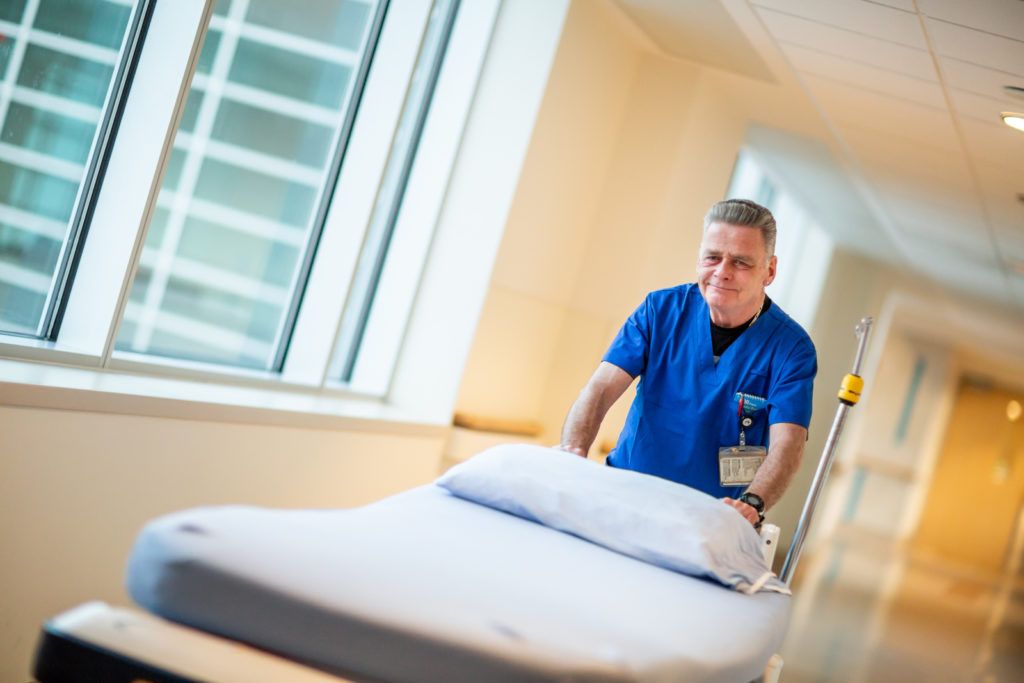
Hospital porters are responsible for a variety of tasks including transporting patients between different departments delivering medical equipment and ensuring the cleanliness and readiness of operating rooms. They are the gears that keep the hospital machine running smoothly.
2. First Point of Contact
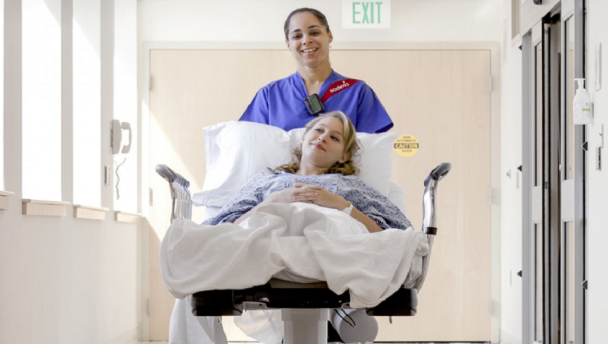
Often hospital porters are the first point of contact for patients. They play a vital role in patient care providing comfort and reassurance and ensuring that patients reach their appointments on time and safely.
3. Critical in Emergency Situations
In emergencies the efficiency of porters can be life-saving. They are responsible for swiftly transporting patients often under critical conditions to where they can receive urgent medical attention.
4. Behind-the-Scenes Efficiency
The work of hospital porters extends beyond patient interaction. They manage the logistics of hospital beds handle medical waste and ensure that supplies are delivered where needed maintaining the hospital's efficiency.
5. Essential in Infection Control
Hospital porters play a pivotal role in infection control. They are trained in hygiene protocols and play a crucial part in preventing the spread of infections within the hospital.
6. The Emotional Support System
Hospital porters often provide emotional support to patients and their families. Their interactions though brief can have a significant impact on the patient's hospital experience.
7. The Physical Demands of the Job
The job of a hospital porter is physically demanding. They are often required to lift heavy loads and spend much of their day on their feet moving throughout the hospital.
8. Training and Skills Development
Hospital porter training includes learning patient handling techniques understanding hospital protocols and developing communication skills. This training ensures that they can perform their duties effectively and safely.
9. A Day in the Life of a Hospital Porter
A typical day for a hospital porter involves a wide range of tasks each crucial for hospital operations. From transporting patients to delivering critical lab results their day is diverse and demanding.
10. The Unsung Heroes of Healthcare
Hospital porters are integral to the healthcare team yet they often don’t receive the recognition they deserve. Their dedication and hard work are essential to patient care and hospital operations.
11. Career Path and Opportunities
Working as a hospital porter can be a rewarding career with opportunities for advancement and specialization. Many porters go on to take on supervisory roles or specialize in areas like patient transport or equipment management.
12. The Impact of Technology
Advancements in hospital technology have also impacted the role of porters. They are often required to handle sophisticated equipment and adapt to changing technological environments.
13. Recognizing and Appreciating Hospital Porters
It’s important for hospital administration and the public to recognize and appreciate the critical role that porters play. Their hard work and dedication are fundamental to the success of any healthcare facility.
What Is The Significance Of Hospital Porters?
The significance of hospital porters in the healthcare system is profound and multifaceted. They play a crucial role in ensuring the smooth operation of hospitals and are integral to the patient care experience. Let's delve deeper into their importance:
- Facilitating Efficient Patient Movement: Hospital porters are responsible for the safe and timely transportation of patients throughout the hospital. This includes moving patients to and from surgeries tests and various treatments. Their role is essential in ensuring that patients receive prompt care which can be critical especially in emergency situations.
- Supporting Medical Procedures: Porters play a key role in preparing and transporting vital equipment needed for surgeries and other medical procedures. Their efficiency can impact the success of these procedures as timely availability of the right equipment is crucial.
- Infection Control: One of the less visible yet vital roles of hospital porters is in maintaining hygiene standards. They are trained in infection control protocols helping to prevent the spread of infections within the hospital which is especially critical in a post-pandemic world.
- Handling Logistics and Supplies: Apart from patient care porters are also involved in the logistical aspect of hospital management. This includes the delivery of supplies management of hospital beds and handling of medical waste which are all essential for the day-to-day operations of a hospital.
- Providing Emotional Support: Hospital porters often interact with patients and their families during stressful times. Their demeanor and ability to provide comfort can have a significant impact on the patient's experience and overall satisfaction with their hospital stay.
- Enhancing Hospital Efficiency: The diverse responsibilities of porters from managing the flow of equipment to assisting with patient transfers contribute significantly to the overall efficiency of hospital operations. Their role helps ensure that medical staff can focus on providing the best possible patient care.
- Emergency Response Assistance: In emergency situations the role of hospital porters is crucial. They assist in the rapid transportation of patients equipment and sometimes medical personnel playing a vital role in the hospital's emergency response team.
Conclusion
The role of hospital porters in the USA is multifaceted and invaluable. They are the linchpins in the complex machinery of healthcare ensuring the smooth operation of hospitals and providing essential support to both patients and medical staff. Understanding and acknowledging the significant role of these unsung heroes is crucial. As we continue to navigate the complexities of healthcare let's remember to appreciate and support these vital members of the healthcare team.