
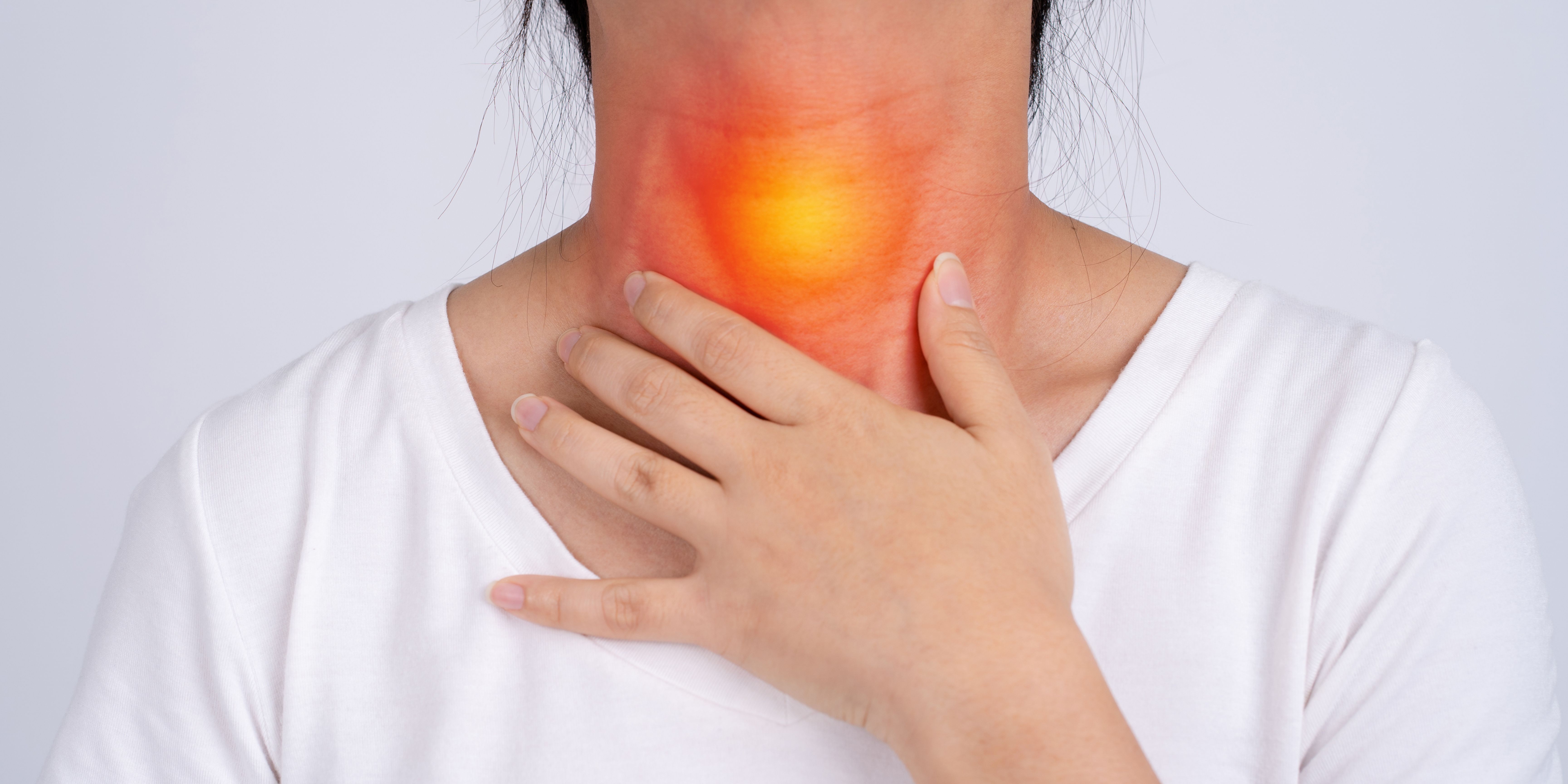
Understanding Esophageal Cancer: Causes, Symptoms, and Risk Factors
"
Gain insight into Esophageal Cancer a serious health condition and learn how to combat the disease head-on. Become well-versed in the symptoms treatment options and preventative measures for a healthier cancer-free life."
Your understanding of esophageal cancer will serve you well addressing both risk factors and early detection strategies. You'll also delve into the various treatment methods empowering you to make ifoabout your health journey.
Remember your engagement with your doctors and healthcare team and your own research plays a crucial role in tackling esophageal cancer effectively. Always remember: there's strength in knowledge and you're never alone in your path towards wellness.
Keeping yourself engaged with your healthcare provieders in the fight against esophageal cancer means attending all the necessary medical appointments procedures and therapies. It involves raising questions about treatment options potential side effects and understanding the specifics of your diagnosis. But remember though the medical team is crucial your role in your treatment plan is just as essential. By being proactive you're not just a patient but an active participant in your own healthcare journey.
Having said that personal research is as crucial as a doctor's advice. Knowledge empowers you and boosts your confidence in dealing with the disease. It ensures that you're well-informed about your condition the potential risks and viable treatment options. Websites of reputable health institutions medical journals and patient testimonials can be quite enlightening. Remember your journey towards wellness is a joined effort and as much as your medical team is working towards your recovery your personal contribution counts significantly.
Rest assured your active participation in understanding esophageal cancer significantly enhances your coping strategies. Exploring accurate medical information from trusted sources not only equips you with a detailed understanding of your condition but can also help alleviate fears and anxieties you might be experiencing. High-quality resources like established health organization websites scientific medical journals and authentic patient experiences provide valuable insights clarifying any doubts and giving you confidence in your treatment journey.
Cherish the fact that your healing journey is a collective endeavor with your medical team leading from the forefront alongside your involvement. Your comprehensive awareness and understanding of esophageal cancer aid in productive communication with your healthcare professionals fostering a collaborative treatment plan. Moreover learning from credible health resources or other patient's experiences allows you to share valuable insights with your care team and contribute considerably to your healing process. Never underestimate your role in this journey.
Let's move forward and deepen your understanding of esophageal cancer. It's a malignancy that starts in the tissues inside your esophagus - the fascinating muscular tube connecting your throat (pharynx) to your stomach. Two primary types of esophageal cancer exist: Squamous cell carcinoma and adenocarcinoma each stemming from different kinds of cells present in your esophagus.
Unraveling the causes of esophageal cancer continues to be a challenge for medical research as there's no single definitive cause. Conceivably it often arises from a culmination of genetic mutations in the cells lining your esophagus. These mutations can cause normal cells to become volatile and form a tumor. Furthermore there are a variety of risk factors that can elevate your likelihood of developing esophageal cancer. These include age gender (it's more common in men) smoking high alcohol consumption obesity and certain dietary factors. Also conditions such as Barrett's esophagus or gastroesophageal reflux disease (GERD) can likewise increase risk.
You might be wondering about the symptoms now. Gaining awareness of common signs can prompt early consultation with your healthcare provider. These signs often include difficulties swallowing (a sensation referred to as dysphagia) unexpected weight loss chest pain a persistent cough or hoarseness and regurgitation of food or a sensation of food stuck in your chest.
The key takeaway here is though medical research keeps exploring the avenues of esophageal cancer being informed about its symptoms and risk factors can play a pivotal role in your health journey. Always remember knowledge is power - harness it to your advantage