
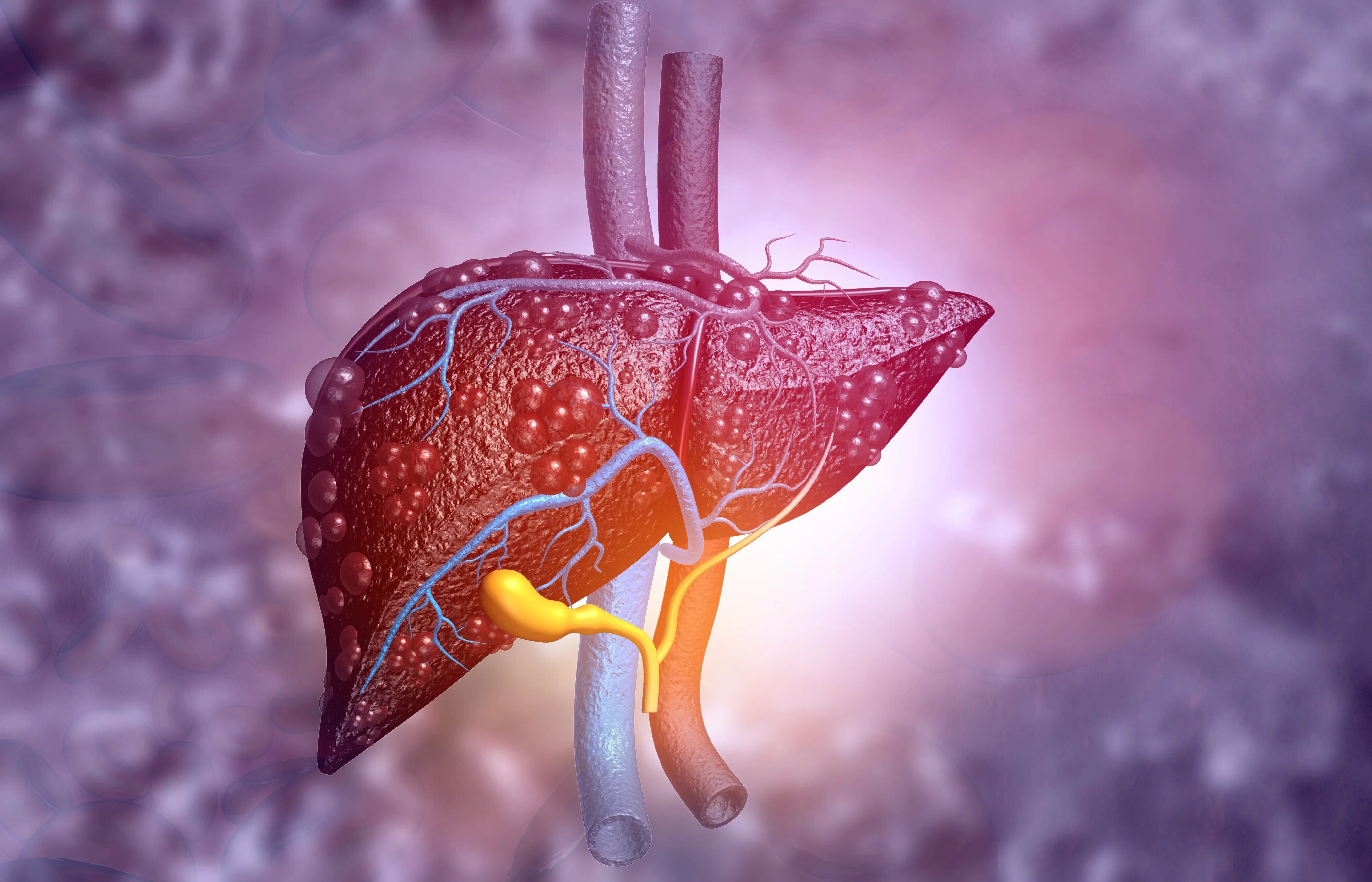
Shocking Facts About Hepatitis C - Don't Miss Out on the Life-Saving Treatment!
Hepatitis C a silent yet potentially lethal virus has been shrouded in myths and misinformation for too long. With advancements in medical science the narrative around Hepatitis C is changing revealing facts that could save lives. This article delves into the crucial aspects of Hepatitis C debunking common myths and highlighting the path to a cure. Whether you're seeking knowledge for yourself or a loved one the following insights are invaluable.
1. Hepatitis C Can Be Cured
Yes you read that right. Unlike many other viral infections that linger for life Hepatitis C can be completely cured. The advent of Direct-Acting Antivirals (DAAs) has revolutionized treatment offering cure rates of over 90%. This fact alone dismantles years of fear and resignation opening a new chapter of hope for millions.
2. Not Just a Drug User's Disease
The stigma surrounding Hepatitis C often labeled as a drug user's plight is both damaging and untrue. Hepatitis C can affect anyone. It's crucial to understand that transmission can occur through various means not just intravenous drug use. Blood transfusions prior to 1992 unsterilized medical equipment and even shared personal items like razors can be culprits.
3. Blood Transfusions Are Safer Now
If you've been wary of blood transfusions here's comforting news. Since 1992 rigorous screening for Hepatitis C in blood donations has been implemented. The risk of contracting the virus through transfusions is now virtually nil thanks to these stringent safety measures.
4. Many People Are Unaware They're Infected
One of the most alarming aspects of Hepatitis C is its silent progression. Many individuals carry the virus without showing any symptoms until serious liver damage occurs. Regular screening especially for those at higher risk is vital for early detection and treatment.
5. Liver Damage Isn't Inevitable
The belief that Hepatitis C invariably leads to liver damage is a myth. While the virus can cause significant liver harm over time early detection and treatment can prevent this outcome. It's possible to live a healthy full life post-treatment with regular monitoring and lifestyle adjustments.
6. Hepatitis C Myths Debunked
The myths surrounding Hepatitis C have long contributed to stigma fear and misunderstanding about the disease. Dispelling these myths is crucial for improving public awareness encouraging testing and treatment and supporting those affected. Here’s a closer look at common myths and the truths that debunk them:
Myth 1: Hepatitis C Is Always a Death Sentence
Truth: This is one of the most harmful myths. With the advent of Direct-Acting Antivirals (DAAs) Hepatitis C has become a curable condition in most cases. Treatment can lead to a sustained virologic response (SVR) which is essentially a cure. The key is early detection and treatment.
Myth 2: Hepatitis C Can Only Be Contracted Through Intravenous Drug Use
Truth: While sharing needles is a well-known risk factor it's not the only way Hepatitis C can be transmitted. The virus can also be spread through unsterilized medical equipment blood transfusions (mainly before 1992 in many countries) sharing personal items like razors or toothbrushes that may have come into contact with infected blood and though less common through sexual contact. It’s important to understand these varied transmission routes to prevent infection and reduce stigma.
Myth 3: If You Have Hepatitis C You Can’t Drink Alcohol At All
Truth: While it's true that alcohol can exacerbate liver damage the broader message is about moderation and medical advice. For those with Hepatitis C especially those with liver damage avoiding alcohol is strongly advised to prevent further harm to the liver. This doesn’t mean a blanket ban for everyone ever diagnosed but it does mean that individuals should follow medical advice tailored to their specific condition.
Myth 4: Hepatitis C Is Easy to Diagnose Because of Its Symptoms
Truth: Hepatitis C is often called a "silent epidemic" because many people who are infected do not exhibit any symptoms for years if at all. When symptoms do appear they can be vague such as fatigue nausea or abdominal pain and easily mistaken for other conditions. This is why regular screening especially for those at risk is crucial for early detection and treatment.
Myth 5: There’s No Point in Getting Treated Because Hepatitis C Will Just Come Back
Truth: This misconception likely stems from experiences with older treatments that had lower success rates and higher relapse rates. Today's DAAs offer cure rates over 90% and once an individual achieves a sustained virologic response the virus does not "come back." Re-infection can occur but it is a separate issue and can be prevented with appropriate precautions.
Myth 6: Hepatitis C Treatment Is Worse Than the Disease
Truth: Past treatments for Hepatitis C involved regimens that could be difficult to tolerate with significant side effects. However current treatments with DAAs are much more tolerable with many patients experiencing minimal side effects. The benefits of curing Hepatitis C far outweigh the temporary discomfort that might come from treatment.
Myth 7: Hepatitis C Only Affects the Liver
Truth: While Hepatitis C primarily affects the liver it can have systemic effects on the body. Chronic Hepatitis C infection can lead to conditions like cryoglobulinemia a type of vasculitis and has been associated with diabetes and certain kinds of lymphoma. Eradicating the virus can reduce these risks.
By debunking these myths we can foster a more informed and empathetic approach to Hepatitis C encouraging those who may be at risk or infected to seek out the care and treatment they need without fear of judgment or misinformation.
7. The Importance of Lifestyle Changes
While medication is at the forefront of Hepatitis C treatment lifestyle changes play a supportive role. Reducing alcohol intake maintaining a healthy diet and avoiding liver-toxic medications can enhance treatment efficacy and liver health.
8. The Role of Support Systems
The journey through Hepatitis C treatment can be challenging. Support from family friends and support groups can provide the emotional strength needed to navigate this path. Sharing experiences and resources can make a significant difference in treatment outcomes.

What Things To Consider For The Best Result From Hepatitis C Treatment?
To achieve the best outcomes from Hepatitis C treatment it's essential to take a holistic approach that encompasses more than just medication adherence. Here's an expanded look at the factors that contribute to successful treatment results:
- Comprehensive Screening and Early Diagnosis: Early detection of Hepatitis C can significantly influence the effectiveness of treatment. Comprehensive screening particularly for those with risk factors such as a history of intravenous drug use blood transfusions before 1992 or exposure to unsterilized medical equipment is crucial. An early diagnosis allows for prompt treatment initiation which can prevent the virus from causing severe liver damage.
- Adherence to Treatment Regimen: One of the most critical factors in the success of Hepatitis C treatment is strict adherence to the prescribed medication regimen. Direct-Acting Antivirals (DAAs) have revolutionized the treatment of Hepatitis C offering cure rates over 90%. However these outcomes can only be achieved if the medication is taken exactly as prescribed without missing doses.
- Regular Monitoring and Communication with Healthcare Providers: Active engagement with healthcare providers throughout the treatment process is vital. Regular monitoring allows for the assessment of the virus's response to treatment and the liver's health enabling timely adjustments to the treatment plan if necessary. Open communication with healthcare providers also provides an opportunity to discuss any side effects or concerns ensuring that the treatment regimen remains tolerable and effective.
- Lifestyle Adjustments and Liver Health Management: While medication targets the virus lifestyle choices play a crucial role in supporting liver health. Reducing or eliminating alcohol consumption avoiding liver-toxic substances maintaining a healthy diet and engaging in regular physical activity can all contribute to better treatment outcomes. These lifestyle adjustments not only support the effectiveness of the treatment but also contribute to overall well-being.
- Emotional and Psychological Support: The journey through Hepatitis C treatment can be emotionally taxing. Engaging with a supportive community whether through family friends or support groups can provide the emotional resilience needed to navigate the treatment process. Support networks can offer encouragement share experiences and provide practical advice making the treatment journey less isolating.
- Education and Empowerment: Being well-informed about Hepatitis C including understanding the disease treatment options potential side effects and ways to manage health during and after treatment empowers individuals to take an active role in their care. Access to accurate information allows for informed decision-making and enhances adherence to treatment plans.
- Managing Side Effects: Side effects from Hepatitis C treatment can vary in intensity and impact on daily life. Proactively managing these side effects through strategies discussed with healthcare providers can help maintain adherence to treatment and improve quality of life during the treatment period.
- Financial Planning: The cost of Hepatitis C treatment can be significant. Understanding insurance coverage exploring patient assistance programs and discussing cost-related concerns with healthcare providers can help mitigate financial stress associated with treatment.
Conclusion
The landscape of Hepatitis C has undergone a remarkable transformation from a misunderstood disease to one that can be decisively treated. Armed with the facts and debunking the myths individuals can now approach Hepatitis C with hope rather than fear. The key to unlocking this life-saving treatment lies in education early detection and the relentless pursuit of health. Let's spread awareness not the virus and pave the way for a Hepatitis C-free future.