
Shopify: Powerful Tools to Build, Manage, and Grow an Online Store
Turning a business idea into an online store takes more than uploading a few products and waiting for customers to arrive. A successful ecommerce operation needs a well-designed storefront organized product information reliable checkout options effective marketing order management and a way to understand how customers interact with the business.
Shopify provides an ecommerce platform that brings many of these essential functions together. Entrepreneurs and businesses can use its tools to create online stores showcase products manage sales connect with customers and develop their ecommerce operations as their needs evolve.
Whether you are starting from scratch or improving an established online business Shopify offers a range of features that can help create a more structured approach to ecommerce.
Build Your Online Store From the Ground Up
A storefront is often the first place where potential customers interact with an online business. A clear layout attractive product presentation simple navigation and useful information can make browsing easier and more enjoyable.
With Shopify merchants can create an online storefront using customizable themes and built-in ecommerce tools. Store owners can arrange products create collections add images publish pages and adjust the overall presentation to reflect their business identity.
A good store design should balance appearance with usability. Customers should be able to find products understand what they are buying and move toward checkout without unnecessary complications.
Create a Consistent Brand Experience
Brand identity plays an important role in helping an online business stand apart.
Shopify gives merchants opportunities to customize elements of their storefront so that the shopping environment reflects their particular brand. Product photography typography layouts imagery and other visual elements can be coordinated to create a consistent experience.
Consistency should extend beyond visual design. Product descriptions policies customer communications and other information should also maintain a clear and recognizable tone.
When customers know what to expect from a store navigating the shopping experience can become easier.
Organize Products and Collections
A growing product catalog can quickly become difficult to manage without a clear structure.
Shopify provides tools for adding products organizing collections managing variants updating prices and maintaining other catalog information.
Well-organized products can benefit both merchants and customers. Clear names accurate descriptions useful photographs and logical categories allow shoppers to compare products more easily.
For larger catalogs consistent formatting can save time when making updates.
Before publishing a product check that its images descriptions pricing availability and other important information are accurate.
Manage Inventory More Effectively
Inventory management is an important part of running an ecommerce business.
Customers expect products shown as available to be ready for purchase while merchants need to know when stock levels are becoming low.
Through Shopify businesses can manage inventory information alongside their online store operations.
Keeping stock records updated can help merchants monitor product availability and identify items that may require restocking.
Inventory data can also provide useful insights into purchasing patterns. Products that consistently sell well may require more careful stock planning while slower-moving products might encourage businesses to reconsider their merchandising strategy.
Offer a Convenient Checkout Experience
The checkout stage is one of the most important parts of an online shopping journey.
If customers encounter unnecessary complexity unclear costs or confusing steps they may decide not to complete their purchases.
Shopify provides checkout and payment-related tools designed to support online transactions. Merchants can configure available payment options according to their business setup and applicable requirements.
A well-planned checkout should clearly communicate product costs shipping charges applicable taxes and other relevant information.
Before launching a store test the purchasing process from a customer's perspective to identify potential problems.
Sell Through Multiple Channels
Customers do not always discover products through a single website.
They may encounter a business through social platforms search engines marketplaces direct links or other digital channels.
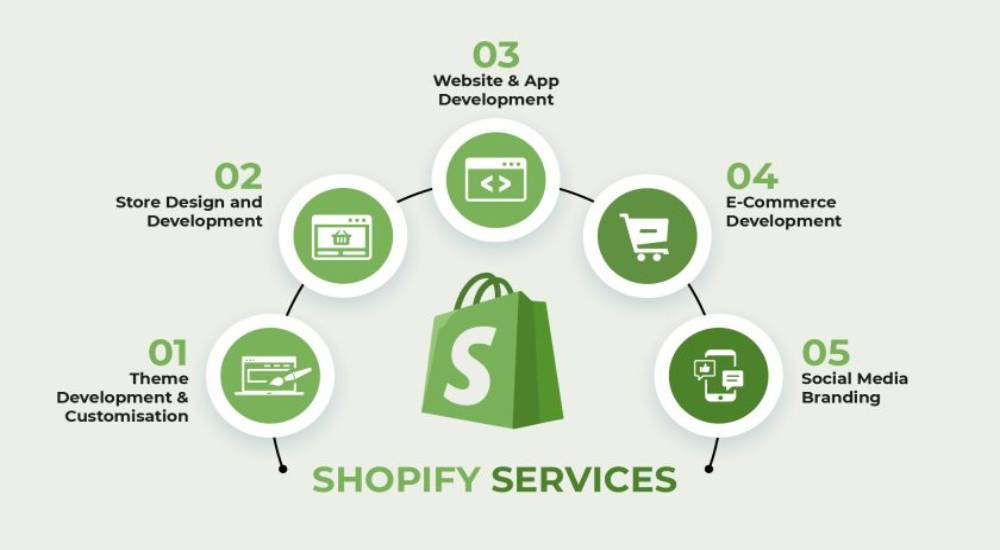
Shopify supports businesses looking to expand their presence across different supported sales channels and customer touchpoints.
A connected approach can help merchants manage their ecommerce activity more efficiently rather than treating every channel as an entirely separate operation.
Before adding a new channel consider whether it matches your target audience product type resources and business objectives.
Support Your Marketing Strategy
Launching a store does not automatically bring visitors.
Businesses need effective ways to introduce their products to potential customers and encourage existing shoppers to return.
Shopify offers marketing features and integrations that can support activities such as promotions email marketing social commerce search-focused strategies and other customer-acquisition methods.
The best approach depends on the individual business.
Some brands may benefit from content and search strategies while others may focus more heavily on social media email communication partnerships or promotional campaigns.
Track results and focus on methods that genuinely contribute to your business goals.
Use Data to Understand Store Performance
Making decisions based entirely on assumptions can make ecommerce growth difficult.
Analytics can provide useful information about sales products customer activity and other aspects of store performance.
With Shopify merchants can access reporting and analytics tools that help them examine their ecommerce activity.
This information can be used to identify popular products evaluate sales patterns understand customer behavior and assess whether particular business strategies are producing useful results.
Rather than attempting to monitor every metric focus on information that directly relates to your objectives.
Extend Your Store With Apps and Integrations
Every business has different requirements.
A basic store may only need essential ecommerce functionality while a larger operation may require additional tools for marketing customer service inventory analytics shipping accounting or other activities.
Shopify has an ecosystem of apps and integrations that can extend store functionality.
However more tools do not automatically mean a better store. Each additional application can introduce another system to manage.
Before installing an app consider what problem it solves whether the feature is necessary how it fits into your existing workflow and whether additional costs apply.
Create Better Customer Relationships
Ecommerce is not only about completing individual transactions.
A positive shopping experience can help businesses encourage repeat purchases and develop stronger relationships with customers.
Shopify provides features and integrations that can support customer-focused activities including customer accounts communications promotions and personalized shopping experiences depending on the setup.
Merchants can also strengthen relationships through accurate product information responsive customer service transparent policies and dependable order fulfillment.
Small improvements across the customer journey can have a meaningful effect on the overall shopping experience.
Build a Store That Can Evolve
Business requirements rarely stay the same forever.
An entrepreneur may begin with a small collection of products and later introduce new categories expand the team increase order volume or explore additional selling opportunities.
Shopify provides a range of tools and integrations that allow merchants to develop their ecommerce operations as their needs change.
Growth should be approached strategically. Adding features simply because they are available can make a store harder to manage.
Instead identify specific challenges and introduce tools that address genuine operational needs.
Make Your Store More User-Friendly
A successful online store should make important information easy to find.
Use clear menus logical product categories readable descriptions useful images and straightforward purchasing steps.
Shopify gives merchants the flexibility to adjust their storefront as they learn more about their customers.
Regularly review your website from the perspective of a first-time visitor. Ask whether it is easy to locate products understand pricing learn about shipping find customer support information and complete a purchase.
Simple improvements can make the overall experience more efficient.
Practical Tips for Getting Started With Shopify
Before launching or improving a store with Shopify consider these steps:
- Identify your target customers.
- Organize products into logical categories.
- Use clear and accurate product descriptions.
- Add high-quality product imagery.
- Keep pricing and inventory information current.
- Choose a theme that supports easy navigation.
- Make sure the store works well on mobile devices.
- Configure suitable payment methods.
- Review shipping and fulfillment information.
- Test the checkout process.
- Provide clear customer-service information.
- Monitor relevant performance data.
- Add apps only when they provide genuine value.
- Regularly update your storefront and product catalog.
Features plans pricing payment options integrations and policies can change. Always review the latest information available from Shopify before selecting services or configuring your store.
Why Shopify Is Worth Exploring
The biggest advantage of Shopify is the way it combines numerous ecommerce functions within one platform.
Businesses can use it to build a storefront organize products manage inventory process orders support payments explore sales channels connect additional applications and review store performance.
This broad ecosystem can make Shopify useful for businesses at different stages. A new entrepreneur can begin with the essentials while an established merchant can explore additional tools as operations become more sophisticated.
The ideal setup depends on the products you sell your customers business model budget and long-term objectives.
Final Thoughts
Building an online business requires a combination of good products thoughtful planning reliable technology and a customer experience that is easy to understand.
Shopify provides a flexible ecommerce environment where merchants can create online stores manage products handle orders support payments market their offerings and explore opportunities for growth.
Whether you are launching your first store expanding an existing business or looking for a more organized ecommerce setup the platform provides numerous tools to explore.
Start with the essentials keep your product information accurate make the customer journey straightforward monitor meaningful performance data and add functionality as your business genuinely requires it.
With a well-planned approach Shopify can provide a practical foundation for building and managing an online business over the long term.