
So You Want to Start a Business: An Honest Look at Shopify
There's a specific moment every founder remembers — the night you finally decide the idea in your head is worth trying in real life. Maybe it's the candles you've been hand-pouring for friends or the vintage clothes you've been thrifting and reselling or the software tool that solves a problem you got tired of solving manually. Whatever it is at some point the idea needs a home. For millions of people that home has been Shopify.
I've spent enough time poking around Shopify's platform pricing pages and the ecosystem built around it to say this plainly: Shopify isn't magic and it isn't the cheapest option out there. But it's earned its reputation as the place most people land when they're ready to stop dreaming and start selling. Here's an honest look at what that actually costs what you get and where the real value hides.
The First Big Relief: You Can Just... Try It
Starting a business is intimidating enough without a platform demanding your credit card upfront. Shopify's current entry point removes that friction almost entirely — a free trial with no card required and after that most plans start at just $1 a month for the first three months before switching to standard pricing. It's a low-stakes way to build your storefront add products and see if the whole thing even feels right before committing real money.
That matters more than it sounds. A lot of would-be entrepreneurs stall out not because their idea is bad but because the setup cost of testing it feels too high. Shopify quietly solved that.
What You're Actually Paying For
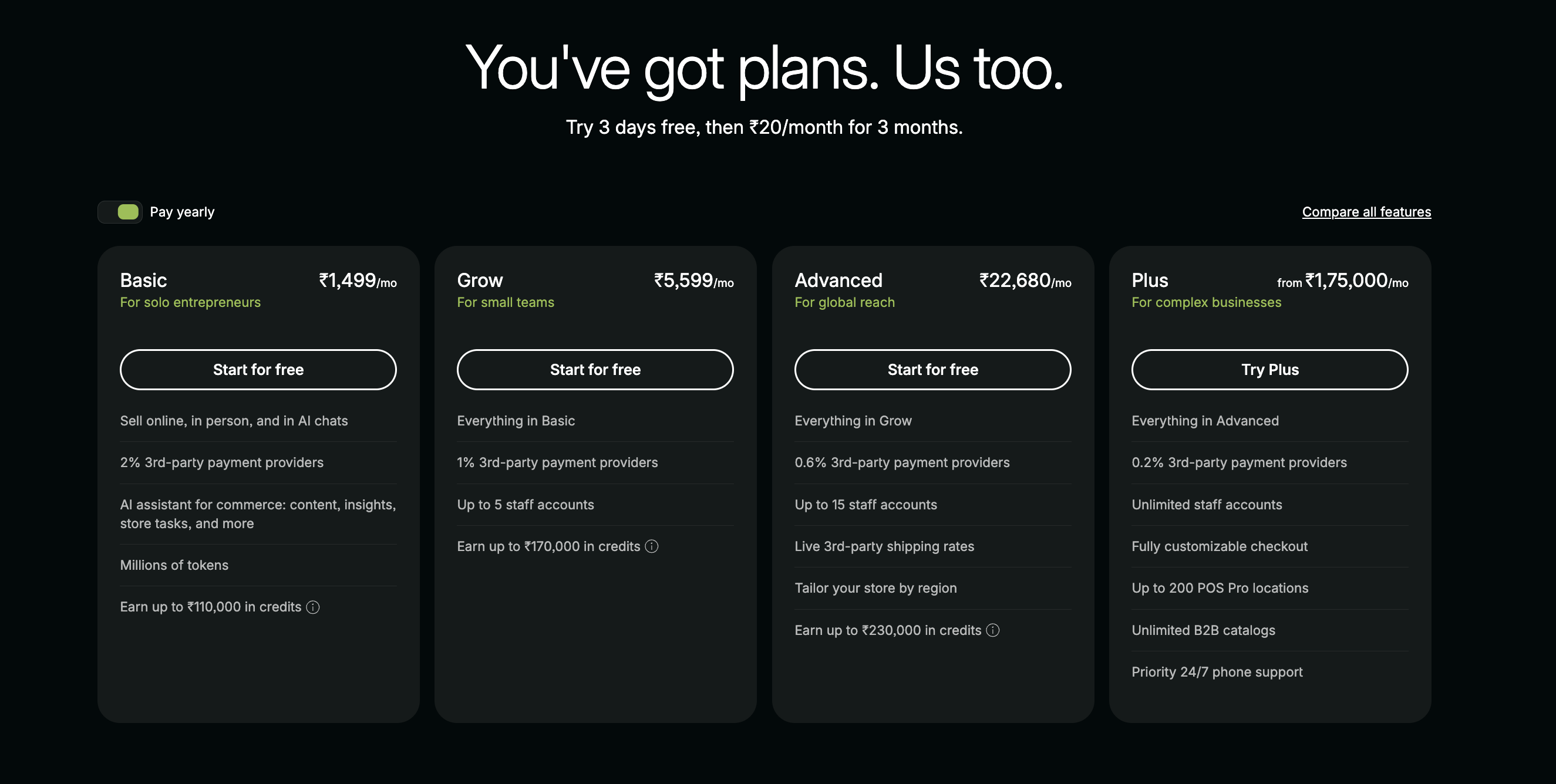
Once you're past the introductory pricing Shopify's plans break down into four real tiers and each one is built around a specific kind of business:
- Basic — $39/month. This is where most new store owners land. You get a fully customizable online store unlimited products abandoned cart recovery and no transaction fees if you use Shopify Payments. It's built for small businesses just getting off the ground and it's genuinely enough to run a real store on.
- Grow — $105/month. Once you're managing a bigger catalog or a small team this tier adds more staff accounts better shipping discounts and professional analytics. It's aimed at businesses that have outgrown "small" but aren't enterprise yet.
- Advanced — $399/month. For stores scaling internationally or needing serious reporting muscle — custom report building better shipping rate calculations and a meaningful discount on payment processing.
- Plus — starting around $2300–$2500/month. This is the enterprise tier built for brands doing serious volume with checkout customization B2B wholesale infrastructure and dedicated support. It's not for a weekend hobby store — it's for teams with real revenue behind them.
One detail worth knowing if you're on the fence about monthly versus annual billing: paying upfront for a year typically saves you around 25% compared to paying month to month. If you're confident you're sticking around that's real money back in your pocket.
The Feature That Quietly Changed the Calculation
Here's something worth knowing that a lot of casual comparisons between Shopify and cheaper platforms like Wix or WooCommerce miss: as of early 2026 Shopify rolled out something called Agentic Storefronts across every paid plan including Basic. In plain terms this means your store becomes discoverable and purchasable through AI assistants like ChatGPT Gemini and Copilot — not just Google search and social media. Shopping behavior has quietly shifted toward people asking AI tools for recommendations instead of browsing directly and Shopify built the plumbing to make sure its merchants aren't left out of that shift.
For a small store owner paying $39 a month that's a meaningfully bigger deal than it sounds. It's distribution that used to require a dedicated marketing budget now bundled into the base subscription.
Where the Costs Sneak Up on People
To be fair to skeptics: Shopify's sticker price is not the whole story and pretending otherwise would be dishonest. Beyond the monthly plan most stores end up paying for premium themes apps for email marketing or reviews or upsells and payment processing fees that vary depending on whether you use Shopify Payments or a third-party gateway. Third-party gateways in particular carry extra surcharges — using Shopify's own payment system is almost always the cheaper route. None of this makes Shopify a bad deal but it does mean the "$39 a month" headline isn't your true monthly cost once your store is actually running.
Who Shopify Is Really For
Shopify shines brightest for people who want to spend their energy on the product not the plumbing. Hosting security PCI compliance and uptime are all handled for you — you're not hiring a developer to keep the lights on. That trade-off is worth a lot to someone whose real skill is design cooking curating or building — not backend infrastructure.
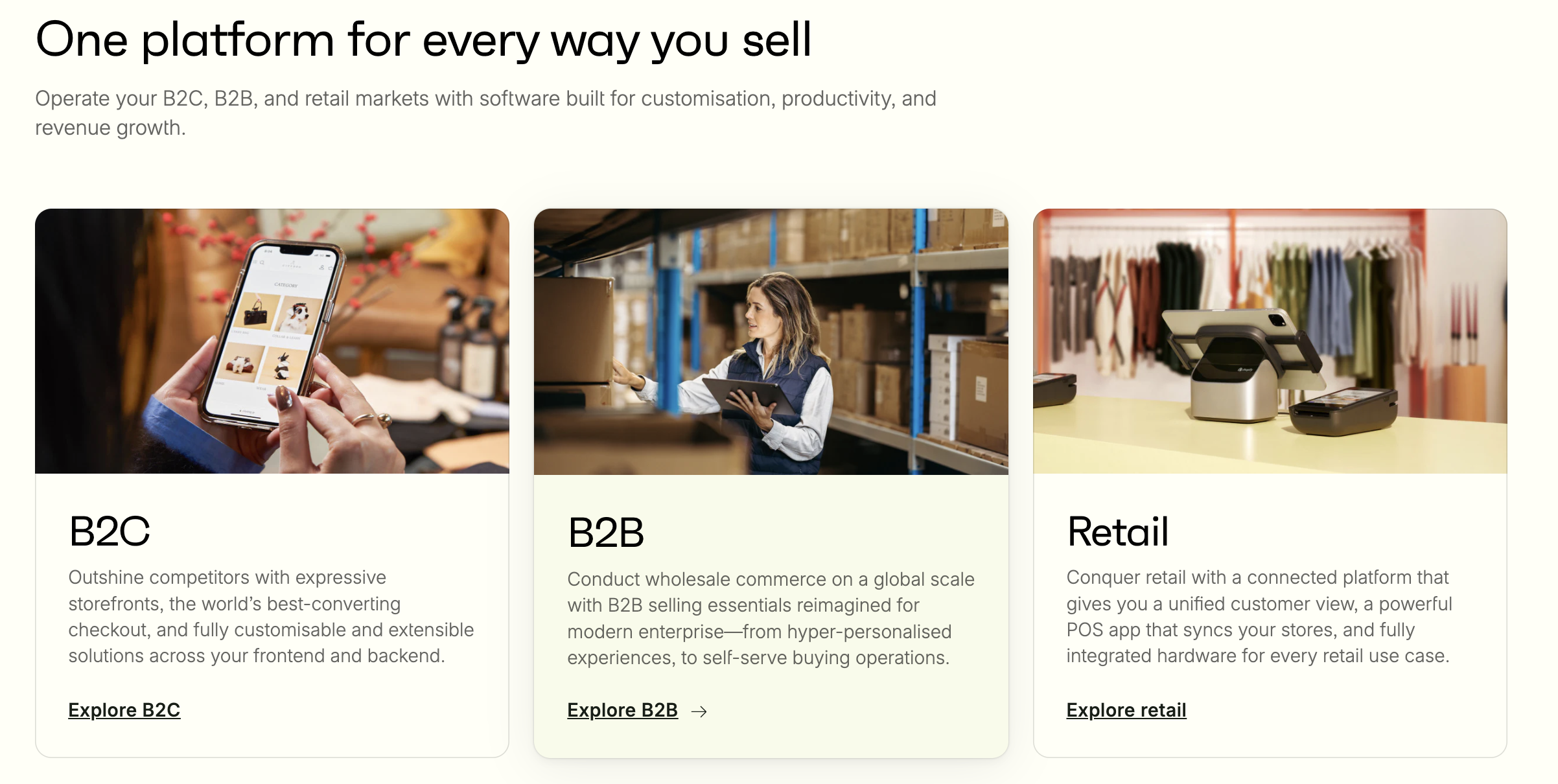
It's less ideal if you're planning a multi-vendor marketplace need full ownership of your source code or run a highly specialized B2B operation with complex approval chains — those situations often need more custom-built solutions. But for the overwhelming majority of people turning a product idea into a real storefront Shopify remains one of the most dependable ways to do it.
The Bottom Line
What strikes me most about Shopify isn't any single feature — it's how deliberately it removes friction at exactly the moments new business owners tend to give up. The trial removes the financial risk of testing an idea. The $1-a-month intro pricing removes the sting of committing early. The annual discount rewards confidence once you know you're staying. And the platform's move into AI-driven shopping means even a brand-new store isn't invisible to the tools millions of people now use to shop.
It isn't free and it isn't effortless. But if you're the person who finally decided your idea deserves a real shot Shopify makes that first leap smaller than it used to be — and that's often the difference between an idea that stays a daydream and one that becomes a business.