
The Ultimate Diet Plan for Managing Psoriatic Arthritis: A Guide to Nutritional Healing
Psoriatic arthritis (PsA) is a chronic autoimmune condition that not only affects the skin but also causes joint pain and inflammation. While medications and treatments are crucial in managing PsA incorporating a strategic diet plan can significantly alleviate symptoms and improve overall well-being. In the USA where lifestyle and diet are pivotal to health outcomes adopting a tailored nutritional approach can be a game-changer for those battling Psoriatic Arthritis. Here's your guide to the best foods and diet plans to embrace for managing PsA effectively.
1. Anti-Inflammatory Foods
Inflammation is a key player in Psoriatic Arthritis leading to joint pain and discomfort. An anti-inflammatory diet focuses on foods that naturally combat inflammation. Key components include:
Omega-3 Fatty Acids: Found in fish like salmon mackerel and sardines and in flaxseeds and walnuts omega-3s are potent inflammation fighters.
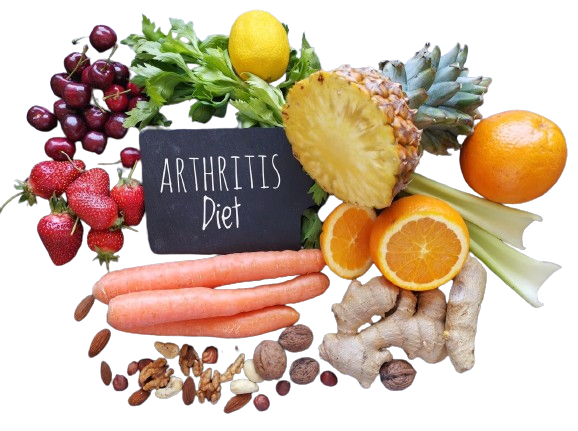
Fruits and Vegetables: Rich in antioxidants fruits like berries oranges and vegetables like spinach kale and broccoli help reduce oxidative stress and inflammation.
Whole Grains: Foods like brown rice oatmeal and quinoa are high in fiber which has been shown to lower C-reactive protein (CRP) a marker of inflammation.
2. The Mediterranean Diet
Widely recognized for its heart-healthy and anti-inflammatory benefits the Mediterranean diet is an excellent choice for individuals with Psoriatic Arthritis. It emphasizes:
Plant-based Foods: A heavy focus on fruits vegetables nuts and seeds.
Healthy Fats: Olive oil as the primary fat source promoting good cholesterol levels and reducing inflammation.
Lean Protein: Incorporating fish and poultry over red meat which can be pro-inflammatory.
3. Avoid Pro-Inflammatory Foods
Just as some foods can help reduce inflammation others can exacerbate it. Limiting or avoiding the following can make a significant difference in managing PsA symptoms:
Processed and Red Meats: These contain high levels of saturated fats that can trigger inflammation.
Refined Sugars and Carbs: Found in white bread pastries and sugary drinks these can spike blood sugar levels and increase inflammation.
Alcohol and Tobacco: Both can worsen PsA symptoms and interfere with medications.
4. Supplements and Vitamins
While a balanced diet is key certain supplements can offer additional support:
Vitamin D: Often deficient in PsA patients Vitamin D can support immune function and bone health.
Turmeric: Contains curcumin known for its anti-inflammatory properties.
Fish Oil Supplements: For those who don't consume fish regularly supplements can be a good source of omega-3 fatty acids.
5. Hydration and Healthy Weight Management
Staying hydrated and maintaining a healthy weight are crucial. Water helps flush out toxins while a healthy weight can reduce the strain on joints lessening pain and mobility issues.
6. Personalized Nutrition
Given the individual nature of Psoriatic Arthritis what works for one person may not work for another. Consulting with a healthcare provider or a dietitian can help tailor a diet plan to your specific needs considering any allergies or intolerances.
Conclusion
Managing Psoriatic Arthritis goes beyond medication; it encompasses a holistic approach where diet plays a pivotal role. Embracing an anti-inflammatory diet rich in whole foods and omega-3 fatty acids while avoiding pro-inflammatory foods can significantly mitigate PsA symptoms. Remember a personalized approach in consultation with healthcare professionals will ensure the diet plan supports your treatment regimen paving the way for a healthier more comfortable life.