
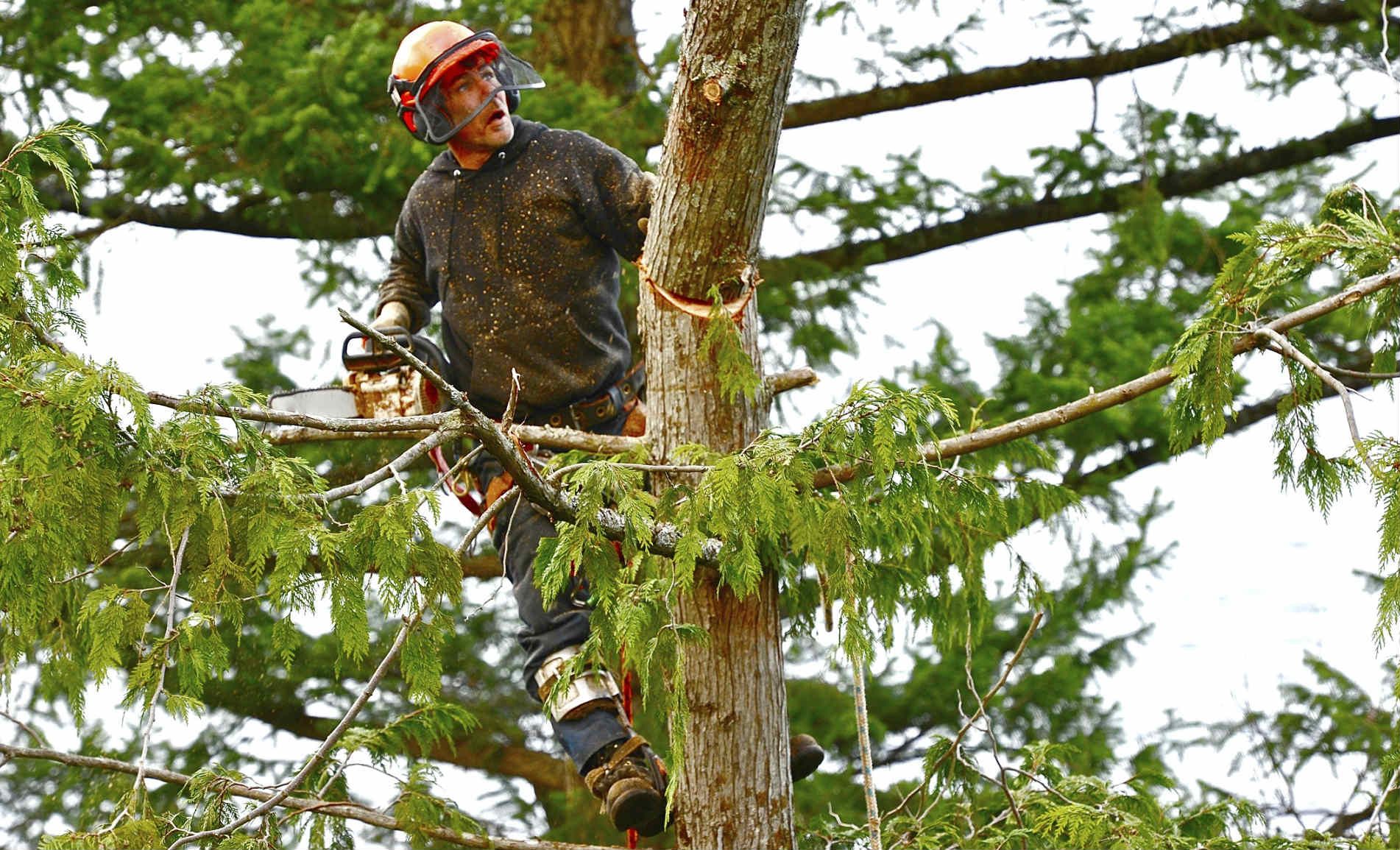
Tree Trimming Secrets: Pro Techniques That Will Transform Your Yard!
Tree trimming is not just a chore; it's an art that can transform the appearance of your yard. Whether you're a beginner or looking to upgrade your skills learning the right techniques can help you achieve a professional-looking landscape without breaking the bank. Let’s dive into these expert tree trimming tips and secrets.
1. Understand Your Trees
- Know the Species: Each tree species has unique trimming needs. Understand the growth patterns and health requirements of the trees in your yard.
- Health Check: Regularly inspect for signs of diseases or pests. Healthy trees respond better to trimming and maintain their beauty longer.
2. Choose the Right Tools
- Quality Over Quantity: Invest in high-quality pruning shears loppers and saws. Sharp clean tools make precise cuts and prevent damage to the trees.
- Safety Equipment: Don’t forget safety goggles gloves and sturdy shoes. Safety should always be your first priority.
3. Timing is Everything
- Best Time to Trim: Generally late winter or early spring is ideal for trimming most trees as they are dormant. However some species may have different requirements.
- Avoid Harsh Conditions: Avoid trimming during extreme weather conditions as this can stress the trees and make them more susceptible to damage.
4. Pruning Techniques for Health
- Remove Dead Branches: Regularly removing dead or diseased branches helps maintain the tree’s health and appearance.
- Thinning Cuts: Thinning out dense branches improves air circulation and sunlight penetration essential for the tree's overall health.
5. Shape for Aesthetics
- Understanding Tree Structure: Identify the tree’s natural shape before trimming. Work with it not against it to enhance its natural beauty.
- Gradual Shaping: Avoid over-trimming. Gradually shape the tree over several seasons for the best results.
6. Safe Trimming Practices
- Never Overreach: Use ladders safely and never overreach while trimming. If a branch is too high it may be time to call in a professional.
- Avoid Topping: Topping (cutting off the top of the tree) can harm the tree’s health and structure. Always avoid this practice.
7. Dealing with Large Branches
- Three-Cut Method: For larger branches use the three-cut method to prevent bark tearing. This involves making a notch cut a relief cut and then a final cut.
- Weight Distribution: Understand the weight distribution of a branch to determine the best angle for cutting.
8. Budget-Friendly Tips
- DIY Maintenance: Regular DIY maintenance can reduce the need for professional services saving you money in the long run.
- Tool Care: Properly maintaining your tools such as regular sharpening extends their life and saves costs on replacements.
9. Learn from Experts
- Workshops and Online Tutorials: Attend local workshops or watch online tutorials for practical demonstrations of tree trimming techniques.
- Ask for Advice: Don’t hesitate to ask for tips and advice from professional arborists or experienced gardeners.
10. Practice and Patience
- Start Small: Begin with smaller less challenging trees to build your confidence and skills.
- Be Patient: Skillful tree trimming takes practice. Be patient with yourself as you learn.
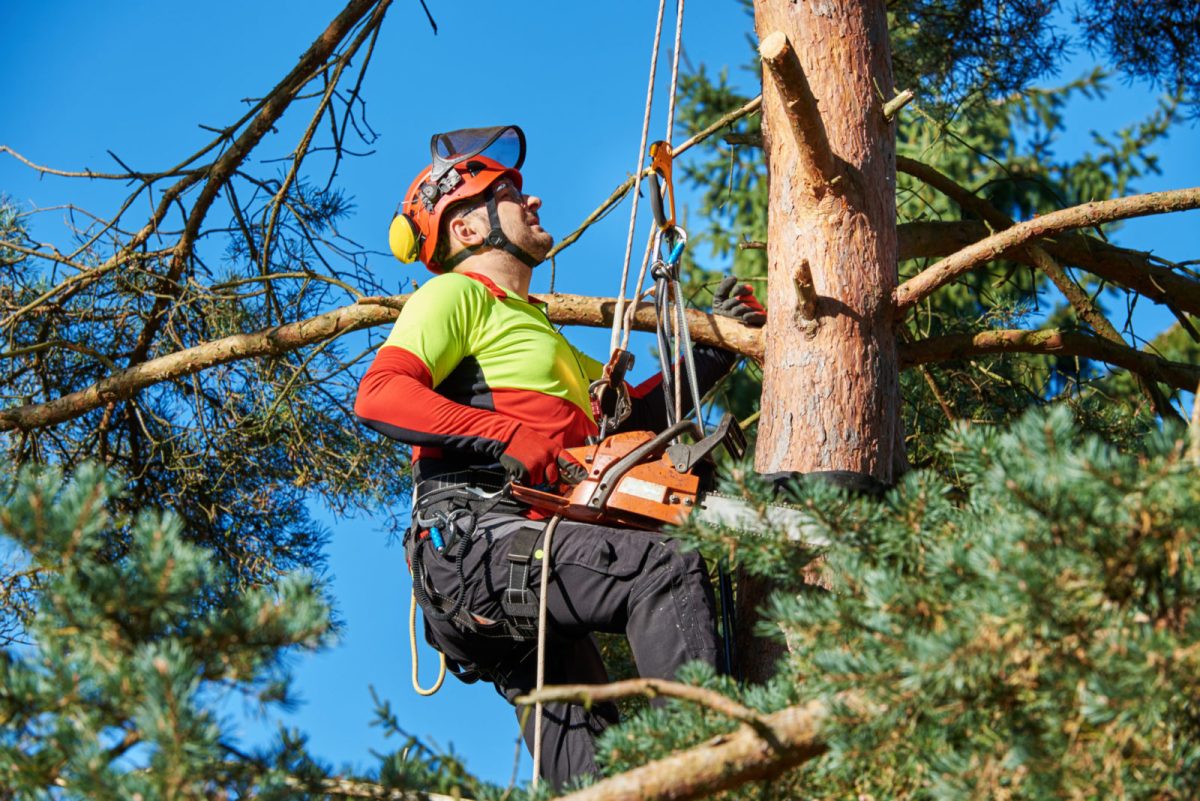
How You Make Your Way To High Pay Tree Trimming Jobs?
Making your way to high-paying tree trimming jobs involves a combination of education experience skill development and networking. Here’s a detailed guide on how to elevate your tree trimming career to a professional and profitable level:
1. Acquire Formal Education and Training
- Arboriculture Courses: Enroll in courses related to arboriculture or horticulture. These programs provide foundational knowledge about tree biology care and maintenance.
- Certifications: Obtain certifications from recognized arboricultural associations. Certified Arborist credentials for example can significantly enhance your credibility and employability.
2. Gain Practical Experience
- Apprenticeships: Start with an apprenticeship or entry-level position in a landscaping or tree care company. This hands-on experience is invaluable.
- Diverse Projects: Seek opportunities to work on a variety of projects. Experience with different tree species and environments makes you more versatile and skilled.
3. Develop Specialized Skills
- Advanced Techniques: Learn advanced tree trimming and pruning techniques. Specializing in areas like ornamental pruning or large tree management can make you more sought-after.
- Safety Training: Become proficient in safety protocolsand emergency response techniques. Expertise in safely handling hazardous tree situations can increase your demand in the industry.
4. Invest in Quality Tools and Equipment
- Professional Gear: Invest in high-quality trimming tools and safety equipment. Having your own professional gear can improve efficiency and is often looked upon favorably by employers.
- Maintenance Skills: Learn to maintain and repair your equipment which can reduce costs and downtime.
5. Build a Strong Professional Network
- Industry Connections: Attend workshops conferences and industry events. Networking with other professionals can lead to job referrals and collaborations.
- Online Presence: Establish a professional presence on social media and industry forums. Sharing your work and insights online can attract potential employers or clients.
Conclusion
Tree trimming is more than just cutting branches; it's about nurturing and shaping your natural surroundings for optimal health and beauty. By following these professional tips and techniques you can transform your yard into a stunning outdoor space. Remember with the right knowledge tools and a bit of practice anyone can trim trees like a pro. And for those aspiring to make a career out of it the path involves continuous learning gaining experience and building a network in the arboriculture community. Your journey to mastering tree trimming starts now – grab your tools and let your yard be your canvas!