Trivago: Getting the Best Hotel Deals Without the Guesswork
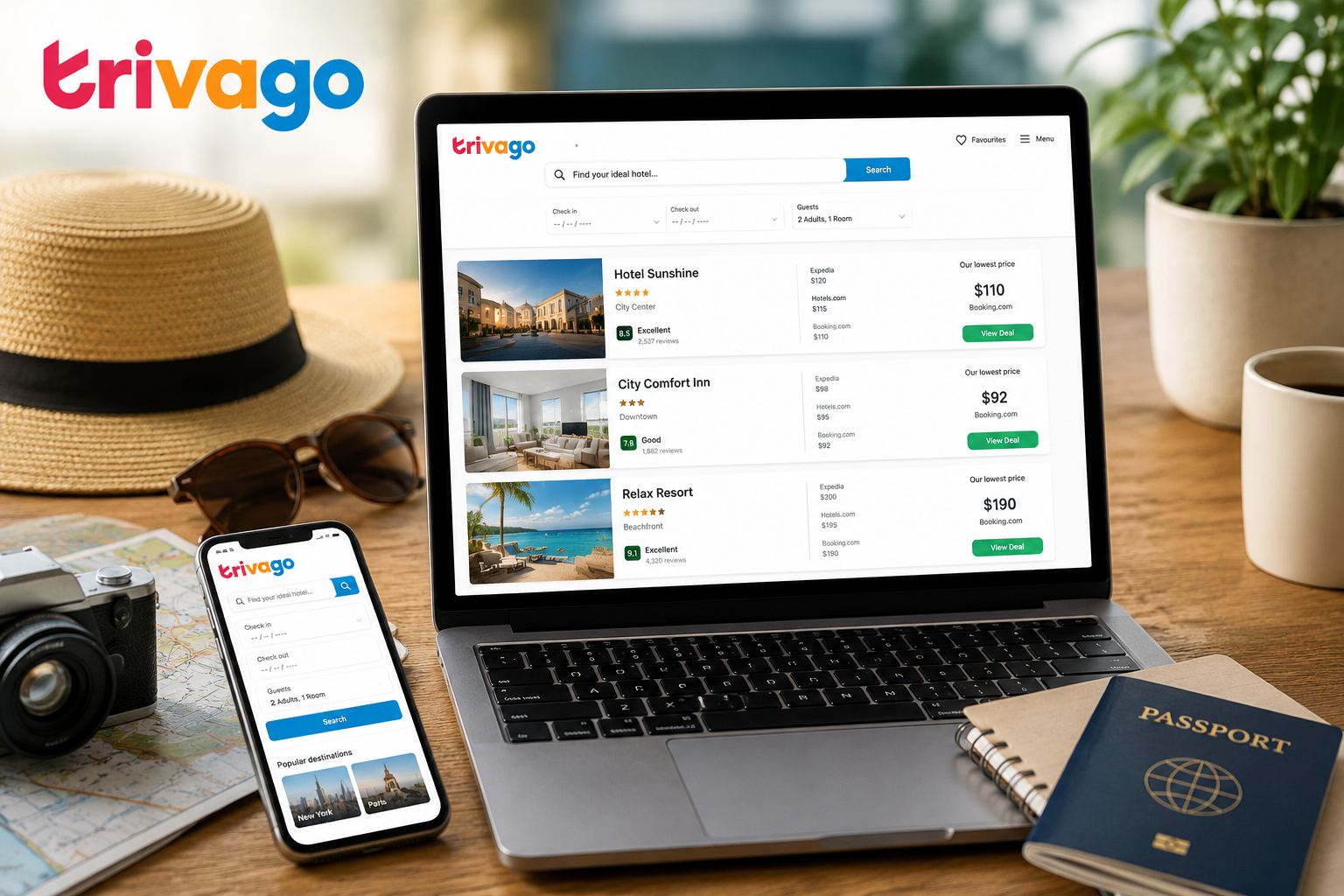
Booking a hotel used to mean checking a handful of sites one by one hoping you'd eventually stumble on the best price. Trivago changed that by building a search engine specifically for hotel prices pulling rates for the same room from dozens of booking platforms into one comparison view. It's become one of the most recognizable names in travel search for exactly that reason — helping travelers cut through pricing noise by comparing hotel prices across multiple sites in a single search.
What Trivago Actually Does
Trivago isn't a hotel booking site in the traditional sense — it's a meta-search engine. Rather than selling rooms directly it pulls live pricing for the same hotel room from multiple booking platforms (major online travel agencies hotel direct-booking sites and regional partners) and displays them side by side. This means you can search a destination once and immediately see which platform currently offers the lowest verified price for a specific hotel and room type rather than manually checking several sites yourself.
This matters more than people often realize because hotel pricing volatility is high almost everywhere. The same room on the same dates can differ by a meaningful amount depending on which platform's current promotions loyalty pricing or regional deals happen to apply. Without a comparison layer most travelers would simply never see that gap.Why Hotel Pricing Is So Unpredictable
A few factors make hotel pricing especially well-suited to a comparison tool like Trivago:
- Resort and Destination Fees: Many hotels particularly in major tourist destinations add mandatory resort or service fees that aren't always reflected clearly in headline pricing across every platform. Comparing listings side by side makes it easier to spot these add-ons before you commit since you can compare the "all-in" price across sources rather than relying on one site's presentation.
- Loyalty Pricing Discrepancies: Hotel chains frequently offer lower "member rates" through their own direct booking sites which can sometimes beat what's shown through third-party aggregators — something worth checking even after using Trivago to identify a strong baseline price.
- Regional Demand Swings: Conventions sporting events festivals and seasonal tourism cause significant regional price volatility that a single-platform search might not fully capture.
- Tax Variation by Location: Hotel occupancy and tourism taxes vary significantly by city and country and total price comparisons across platforms sometimes present these differently making a side-by-side view more useful than relying on one source alone.
Features Worth Using
- Star Rating and Guest Review Filters: Useful for quickly narrowing a large city's hotel inventory down to properties that meet a minimum quality bar rather than sorting by price alone.
- Map-Based Search: Especially valuable in sprawling or unfamiliar cities letting you see which "deal" hotels are actually conveniently located versus far from where you actually want to be.
- Price Alerts: If you're booking ahead of a big event or peak season setting a price alert lets you catch a dip in the weeks leading up to your trip rather than needing to check daily yourself.
- Filter by Amenities: Free breakfast parking and pet-friendly policies vary a lot across hotels and filtering directly for these needs saves time compared to checking each listing individually.
Common Mistakes to Avoid
One of the most common issues travelers run into with meta-search sites generally is assuming the listed price is always final. Resort fees parking charges and local taxes can all be added at checkout on the actual booking platform even if they weren't fully reflected in the comparison view. It's worth clicking through to the actual booking page and reviewing the full breakdown before entering payment details.
Another common mistake is booking the cheapest non-refundable rate without considering flexibility. Weather disruptions flight delays and last-minute schedule changes are common enough that a slightly higher refundable rate can be the smarter overall choice especially for trips with any uncertainty.
Finally travelers sometimes skip checking the hotel's own direct website after finding a deal on Trivago. Many hotel chains guarantee to match or beat third-party pricing if you book directly and join their loyalty program which can occasionally undercut even the best third-party rate shown in a comparison search.
Tips for Getting the Best Hotel Deal
- Search flexible dates. Shifting a stay by even a day or two especially around weekends versus weekdays can produce meaningfully different pricing in most markets.
- Check the total price breakdown not just the nightly rate since resort fees and taxes can add a significant percentage to the final cost in certain destinations.
- Compare against the hotel's own site after finding a strong deal through Trivago since direct-booking perks or price-match guarantees sometimes beat third-party listings.
- Use review filters not just star ratings since a heavily discounted room at a poorly reviewed property isn't actually a deal.
- Set a price alert for planned trips more than a few weeks out rather than checking manually and potentially missing a temporary price drop.
Who Gets the Most Value
Frequent travelers people planning trips around major events or seasonal peaks and anyone booking in unfamiliar cities where local pricing knowledge is limited tend to benefit most from using a comparison tool like Trivago. It's particularly useful in high-volatility markets — major capital cities ski or beach destinations during peak season and anywhere hosting large conventions or festivals — where price swings between platforms and dates can be dramatic.
Final Thoughts
The hotel market worldwide is large fragmented and prone to pricing quirks that make manual comparison shopping tedious. Trivago's meta-search model directly addresses that problem giving travelers a fast way to see where the best current price sits across multiple booking platforms. Used alongside a quick double-check of the hotel's own direct booking page and a careful read of the total price breakdown it remains one of the more efficient tools for booking smart rather than settling for the first price you see.