
Understanding Depression: The Role of Self-Assessment Quizzes
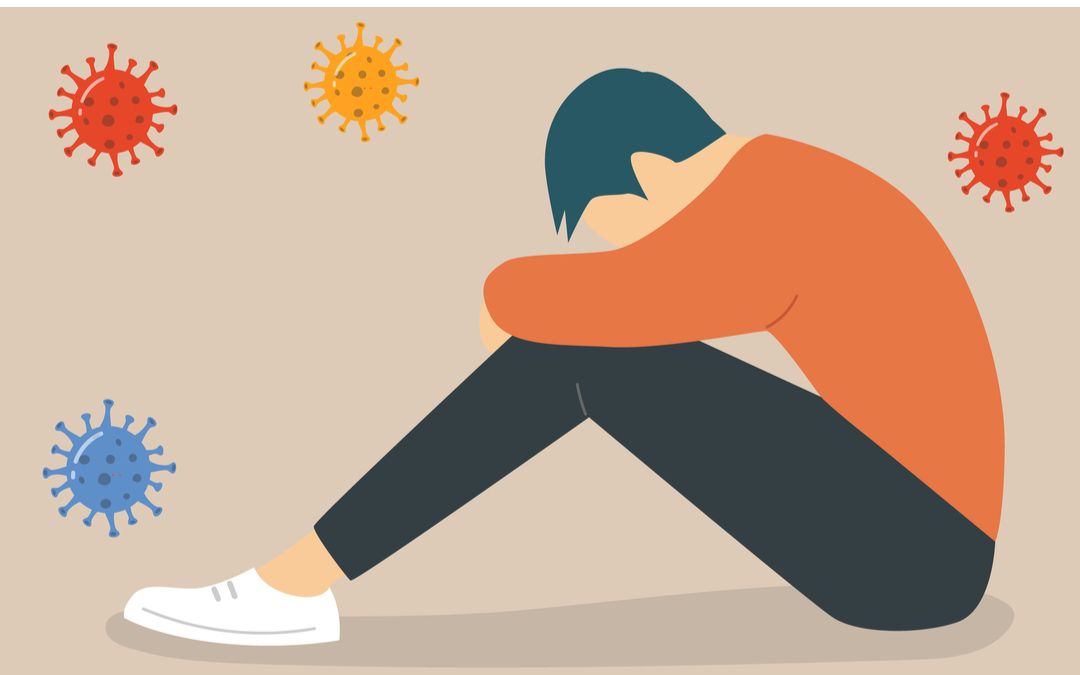
Depression is a pervasive mental health condition that affects millions of people globally including a significant portion of the population in the United States.
Characterized by persistent feelings of sadness hopelessness and a lack of interest or pleasure in daily activities depression can severely impact one’s quality of life. Early detection and intervention are crucial for managing depression effectively and self-assessment quizzes have emerged as a valuable tool in recognizing the signs of this condition.
The Growing Burden of Depression
Depression is more than just a bout of the blues. It’s a serious mental health condition that requires attention and care. According to the World Health Organization (WHO) depression is a leading cause of disability worldwide contributing significantly to the global burden of disease. In the United States the National Institute of Mental Health (NIMH) estimates that over 17 million adults experienced at least one major depressive episode in the past year. The ongoing COVID-19 pandemic has only exacerbated mental health issues making the need for effective tools and resources more pressing than ever.
The Importance of Early Detection
Early detection of depression can lead to more effective treatment and better outcomes. Many individuals however may not recognize the symptoms of depression in themselves or may be reluctant to seek help due to stigma or lack of awareness. This is where self-assessment quizzes come into play. These quizzes can provide a preliminary indication of whether someone might be experiencing depressive symptoms and encourage them to seek professional help.
How Depression Quizzes Work
Depression quizzes are typically based on standardized screening tools used by mental health professionals. One of the most widely used tools is the Patient Health Questionnaire-9 (PHQ-9) which asks individuals to rate the frequency of symptoms such as feeling down lack of interest in activities and changes in sleep or appetite over the past two weeks. Other quizzes may include similar questions tailored to different audiences or specific aspects of depression.
These quizzes are designed to be quick and easy to complete usually taking no more than a few minutes. They provide immediate feedback often categorizing the severity of symptoms (e.g. minimal mild moderate severe) based on the responses. While these quizzes are not diagnostic tools they can be an essential first step in recognizing the need for further evaluation and treatment.
Benefits of Using Depression Quizzes
1. Accessibility: Self-assessment quizzes are readily available online making them accessible to anyone with an internet connection. They offer a private and convenient way for individuals to reflect on their mental health.
2. Early Intervention: By identifying symptoms early quizzes can prompt individuals to seek professional help sooner leading to earlier intervention and potentially better outcomes.
3. Increased Awareness: Taking a depression quiz can increase awareness about the symptoms and seriousness of depression helping to reduce stigma and promote mental health literacy.
4. Support for Caregivers: Quizzes can also be useful for caregivers who may suspect that a loved one is experiencing depression. They provide a structured way to discuss concerns and encourage seeking professional help.
Limitations and Considerations
While self-assessment quizzes offer several benefits it is essential to acknowledge their limitations. They are not substitutes for professional diagnosis and treatment. Depression is a complex condition that can manifest differently in each individual and only a qualified healthcare provider can provide a comprehensive assessment and recommend appropriate treatment.
Moreover self-assessment quizzes rely on honest self-reporting. Factors such as denial lack of self-awareness or fear of stigma can influence the accuracy of responses. Therefore these quizzes should be seen as a preliminary step rather than a definitive measure of one’s mental health.
Taking the Next Step
If a self-assessment quiz indicates the presence of depressive symptoms it is crucial to take the next step and seek professional help. Mental health professionals including psychologists psychiatrists and counselors can provide a thorough evaluation and develop a personalized treatment plan. Treatment for depression often includes a combination of psychotherapy medication lifestyle changes and support from family and friends.
Conclusion
Depression is a significant mental health challenge but it is also a treatable condition. Self-assessment quizzes play a vital role in raising awareness and facilitating early detection of depressive symptoms. By making these tools accessible and encouraging their use we can help more individuals recognize the signs of depression and seek the professional help they need. Remember taking a quiz is just the beginning; reaching out for support and treatment is the crucial next step towards recovery.