
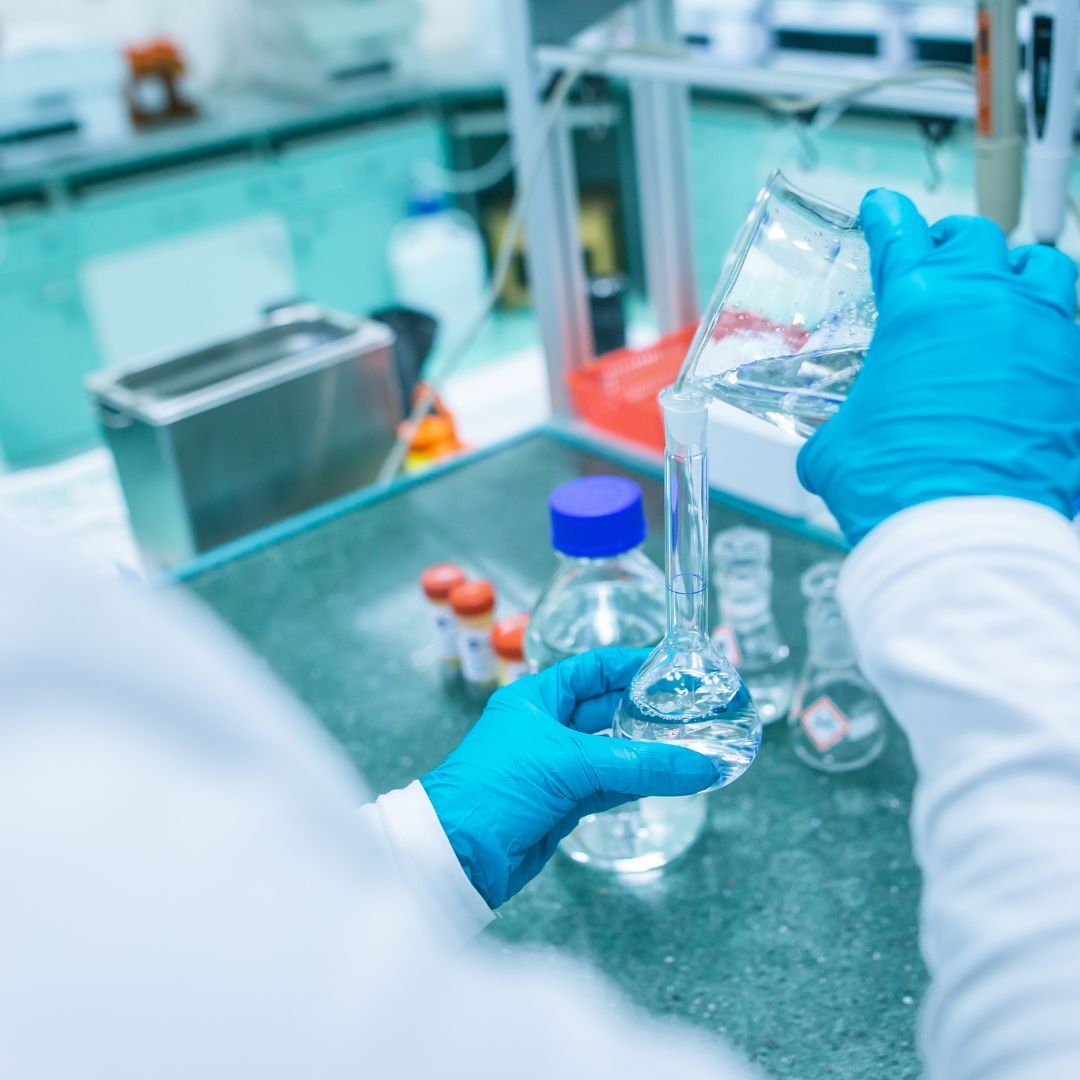
Unveiling the Intricacies of Pharma Manufacturing: A Comprehensive Yet Easy-to-Understand Guide
A deep dive into the complex world of pharmaceutical manufacturing; illuminating its high stakes precision-driven processes and the technological revolutions pushing its boundaries. Brace yourselves to learn about the intricate intersections of science technology and health that define this vital industry.
We'll be unmasking the innovative strides taken in mastering medicines from their earliest formulation stages to the final packaging. You'll find yourself immersed in the dynamic interplay of engineering ingenuity rigorous regulations and relentless pursuit of improvements for patient safety and health.
Understanding the Core of Pharma Manufacturing
The heart of pharma manufacturing is all about turning active pharmaceutical ingredients (APIs) into the medicines that help improve health and save lives. This process involves well-established sequences such as formulation compaction granulation coating and packaging each intricately planned to maintain the effectiveness and stability of the medicines produced. The goal is to create reliable and consistent products that can be trusted by healthcare providers and patients alike.
This manufacturing method is often likened to a delicate dance executed under stringent conditions and regulations such as Good Manufacturing Practices (GMP). These ensure that every step of the manufacturing process is exhaustive controlled and documented to maintain high-quality standards. The sequence cannot allow any room for error or compromise thus placing quality assurance and control measures at the epicenter of pharma manufacturing.
The Role of Technology in Modern Pharma Manufacturing
The rise and complexity of technology has carved a paramount place for itself in pharma manufacturing. The influence of technology manifests in processes like compound discovery drug development production and regulatory compliance. Machine learning and artificial intelligence for instance are providing powerful platforms for the identification of novel therapeutic targets. In addition the usage of advanced robotics in drug production has streamlined the manufacturing process making it more efficient reliable and safe.
Furthermore digitization and cloud computing are revolutionizing data management in the pharmaceutical industry. Electronic document management systems digital data modeling and simulations have improved accuracy speed and overall productivity. These advancements not only have been crucial in enhancing process control but also have played a key role in meeting regulatory requirements. Thus technology is not only aiding the industry in achieving better health outcomes but also contributing enormously to the safety quality and traceability of pharmaceutical products.
The Impact of Pharma Manufacturing on Global Health
The pharmaceutical manufacturing industry undeniably holds a pivotal role in boosting global health acting as the cornerstone in the production of lifesaving drugs. To frame it in simple terms without this industry essentially the doctors would have no tools to treat their patients. Through the development production and marketing of medications the industry helps extend the average human lifespan reduce infant mortality and mitigate the effects of various diseases.
However the cost and complexity of pharmaceutical manufacturing also pose significant global health challenges. For example prices of new drugs can often be astronomical making them inaccessible to individuals in low-income countries. These challenges have raised a call to action for the industry to innovate its practices and create a healthier more equitable world. Thus while pharmaceutical manufacturing has delivered profound health benefits it also bears a responsibility to ensure that these benefits are accessible to all regardless of geographic location or socioeconomic status.
Exploring the Different Types of Pharma Manufacturing Systems
When you delve into the world of pharmaceutical manufacturing you soon realize it's a sphere of complexity with various operational systems in place. The diverse systems play cardinal roles in producing a range of pharmaceutical products - from tablets and capsules to injectable and complex medicinal concoctions. Predominantly we can group these manufacturing systems into two categories - batch production and continuous production.
The batch production system is an age-old time-tested approach where specific quantities of drugs are made in separate batches. This system is highly flexible as it allows for the production of different drugs sequentially. On the other hand the continuous production system a more contemporary approach involves uninterrupted production processes often 24/7. This system dramatically increases efficiency and is ideal for high demand drugs. Interestingly leading industry players are now strategically leveraging hybrid production systems assimilating the best of both worlds to meet dynamic market needs.